
Unlock Your Financial Potential: Understanding Credit Scores and Reports

Credit Score FAQs
Overview:
Your credit score plays an important role in many financial decisions. It’s often used by lenders, landlords, and even employers to help determine how financially reliable you appear. The good news? Credit scores aren’t permanent. They’re based on behaviors you can control, and with the right information, you can take steps to build or improve your credit over time.
Credit Score Range
This range means lenders might see you as a higher risk. You might find it harder to get approved for loans or credit cards, and if you do, the interest rates could be quite high, making things more expensive for you in the long run. But don’t worry, you can definitely improve this!
In this range, you’re doing better! You might get approved for more credit, but you could still face higher interest rates. It’s a good place to start building on to get even better terms.
Woohoo! Being in the ‘Good’ range means lenders generally view you as a reliable borrower. You’ll likely qualify for better interest rates on loans and credit cards, which can save you a good chunk of money.
You’re rocking it! People with scores in this range often get some of the best interest rates and terms available. This means less money spent on interest and more options for what you want to do financially.
Top of the charts! An excellent credit score opens doors to the absolute best financial products, from super-low interest rates to premium credit card rewards. You’ve shown that you’re an incredibly responsible borrower, and lenders love that!
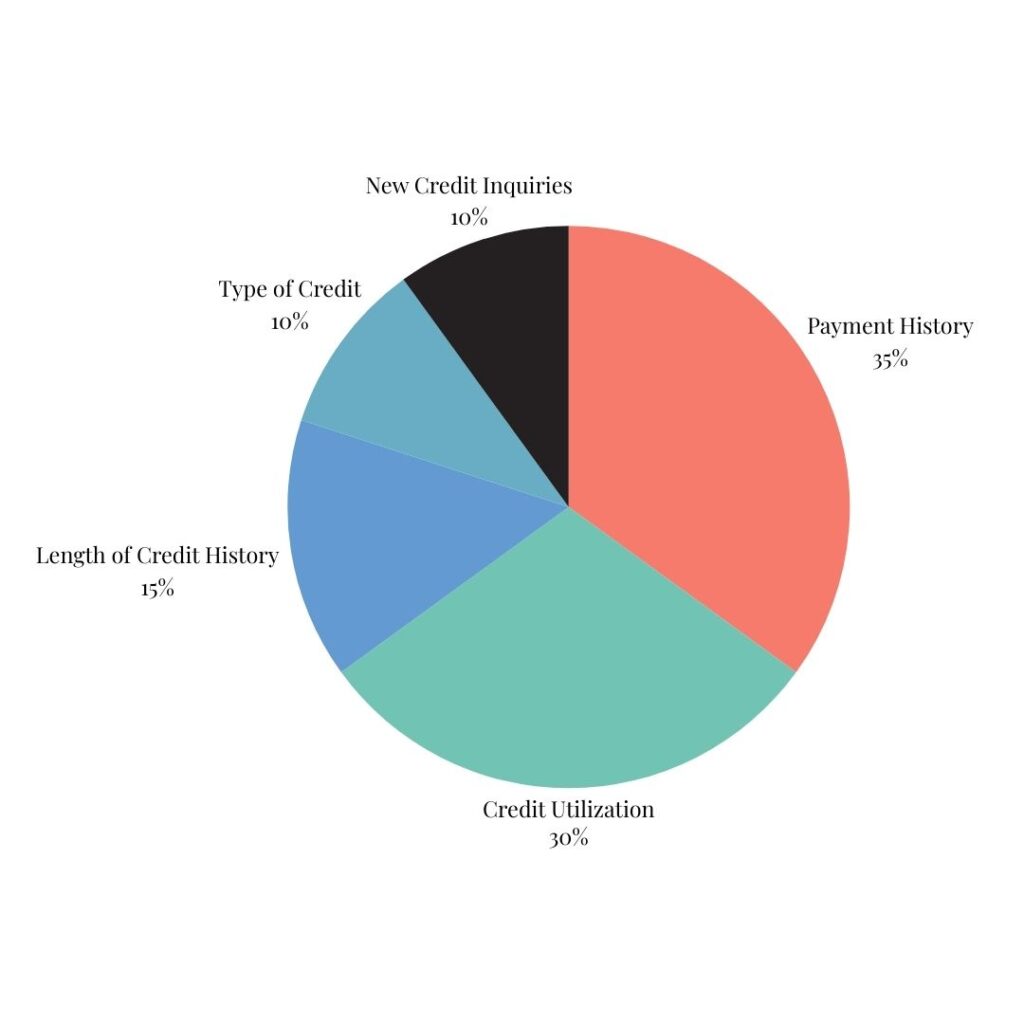
Factors that Affect a Credit Score:
What is in a Credit Report?
- Personal Information
- Credit account & balances
- Payment History
- Credit inquiries
- Public records
Action that Improve Your Credit Score

Key Takeaways:
Credit is a tool, and when used responsibly, it can support your financial goals. Understanding how credit works puts you in a better position to make informed decisions and take control of your financial future. Building and maintaining good credit takes time, but small, consistent actions can make a meaningful difference. Pay your bills on time and make it a routine. Payment history plays a major role in your credit score, and even a single missed or late payment can have a negative impact. Setting reminders or automatic payments can help you stay on track.